Islamic Arch Window Pattern Vector: Elegant Graphics for Rich Editorial Design
First Impressions: A Visual Language of Sophistication and Tradition
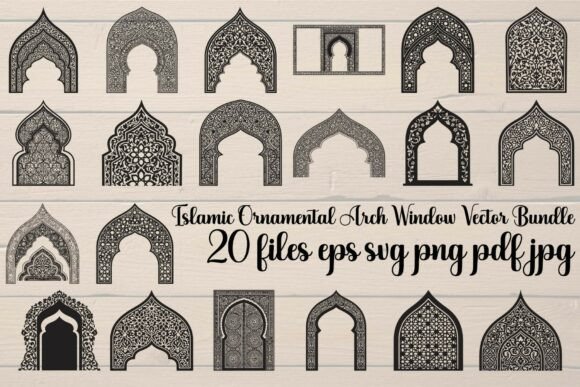
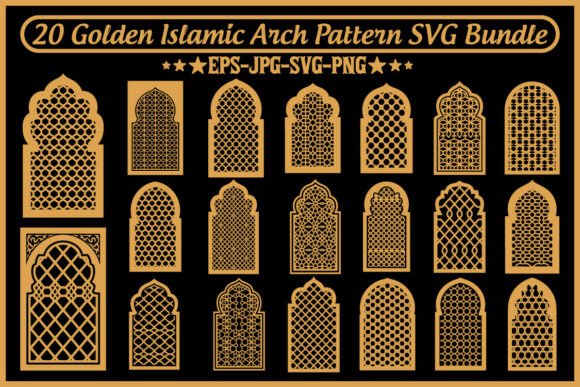
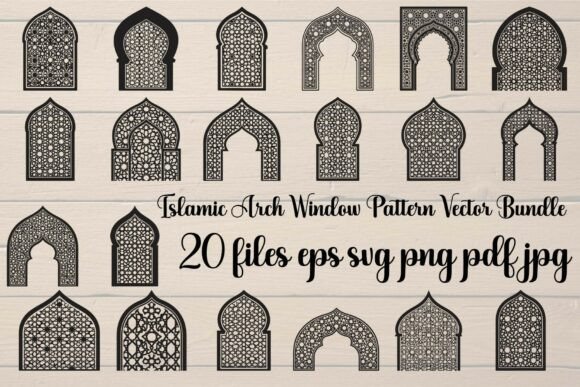
Opening up the Islamic Arch Window Pattern Vector bundle, I was immediately struck by the depth and intricacy of the designs. These aren’t just decorative graphics—they’re a visual storytelling tool that speaks to tradition, elegance, and cultural richness. Each vector illustration features geometric symmetry and ornamental detailing that feels both timeless and artistic, making them ideal for content that aims to feel curated and elevated.
The editorial mood these vectors create is undeniably artistic and decorative. They lean toward a lifestyle, cultural, or educational niche—perfect for bloggers covering travel, interior design, Islamic art, or spiritual topics. They carry a sense of reverence and beauty that can elevate a blog post from informative to immersive.
Real-World Publishing Uses: From Pinterest to Printables
As a blog designer, I’m always on the lookout for design assets that can be reused across multiple content formats. The Islamic Arch Window Pattern Vector delivers on that front. Here’s how I’ve started integrating it into real publishing workflows:
- Blog Featured Images: Used as a background or framing element for article headers, especially for posts on architecture, culture, or mindfulness.
- Pinterest Graphics: The ornate patterns stand out in Pinterest feeds, drawing attention with their unique aesthetic and cultural flair.
- Digital Guides & eBooks: Perfect for chapter dividers or section headers, adding a professional and thematic visual touch.
- Newsletter Banners: Adds a decorative border or background to email headers, reinforcing brand identity across platforms.
- Lead Magnets & Content Upgrades: Used in downloadable worksheets or printables to enhance perceived value and professionalism.
- Social Media Templates: Works beautifully in Instagram Stories or Facebook posts for niche content creators focusing on heritage, art, or spirituality.
These vectors also work well inside Canva templates, allowing non-designers to easily build branded visuals without losing quality or consistency.
How This Graphic Design Asset Boosts Content Performance
Visual consistency is key in content marketing, and the Islamic Arch Window Pattern Vector helps achieve that in several ways:
- Stronger First Impressions: The unique patterns catch the eye and signal quality, encouraging readers to stay and explore.
- Clearer Visual Hierarchy: When used as a header or accent, the design guides the reader’s eye naturally through the page.
- Better Click-Through Potential: Especially on Pinterest and social media, these visuals stand out in feeds and drive more engagement.
- Consistent Branding: Reusing the same visual motifs across blog graphics, newsletters, and social media builds a cohesive brand identity.
- Improved Reader Trust: Professionally designed elements make your content feel authoritative and well-produced.
This is especially valuable for affiliate marketers and digital educators who rely on polished visuals to support high-conversion content.
Where These Vectors Shine Brightest
Based on testing across real blog layouts and digital product templates, here are the best use cases for the Islamic Arch Window Pattern Vector:
- Hero Images: Use as a subtle background texture or framing device for homepage banners.
- Article Thumbnails: Especially effective for niche content in cultural, travel, or design-focused blogs.
- Newsletter Headers: Adds a decorative yet professional touch to email campaigns.
- Content Upgrades: Enhances the look of downloadable guides, printables, and worksheets.
- Social Media Previews: Stands out in visually driven platforms like Instagram and Pinterest.
Use With Caution: When Simplicity Wins
While versatile, these vectors are not one-size-fits-all. Here are situations where they may need to be used carefully:
- Small Mobile Thumbnails: Intricate patterns can get lost on tiny screens, reducing clarity and impact.
- Text-Heavy Blog Images: Overly detailed backgrounds can make headlines harder to read.
- Low-Contrast Backgrounds: Make sure the pattern doesn’t blend into text or other elements.
- Busy Layouts: If your site already uses a lot of visual elements, this design might add clutter.
- Corporate or Minimalist Niches: These patterns feel more artistic and cultural—less suitable for serious or ultra-modern brands.
Publisher Notes: Practical Tips for Real-World Use
Before publishing content with the Islamic Arch Window Pattern Vector, I always run through this checklist to ensure visual and technical quality:
- Test on desktop and mobile: Ensure the design looks sharp and readable across screen sizes.
- Preview as a thumbnail: Make sure the pattern doesn’t get distorted or hard to recognize at small sizes.
- Try with headline text: Overlay different font styles—serif, sans-serif, script—to see what works best.
- Check contrast and readability: Avoid using dark patterns over dark text or vice versa.
- Try in black and white: Some patterns may lose impact when converted, so test grayscale versions.
- Review file size: Optimize for web use to avoid slowing down your site’s load time.
- Confirm commercial licensing: Make sure the asset is cleared for use on monetized sites or affiliate content.
These steps are especially important for digital marketers and small business owners who rely on fast-loading, legally safe design assets.
Final Thoughts: A Valuable Addition to Any Creative Publisher’s Toolkit
The Islamic Arch Window Pattern Vector is more than just a set of illustrations—it’s a graphic design asset that brings cultural depth, visual interest, and editorial polish to a wide variety of content formats. Whether you're building a digital guide, designing a Pinterest pin, or creating a newsletter banner, this bundle offers flexible, high-quality visuals that elevate your content.
For bloggers, content creators, and online educators, it’s a smart investment in visual storytelling. Used thoughtfully, it supports brand identity, improves content performance, and gives your website or digital product that extra layer of professionalism readers and subscribers can see—and trust.